








April 27, Posted at 7:09 PM IST
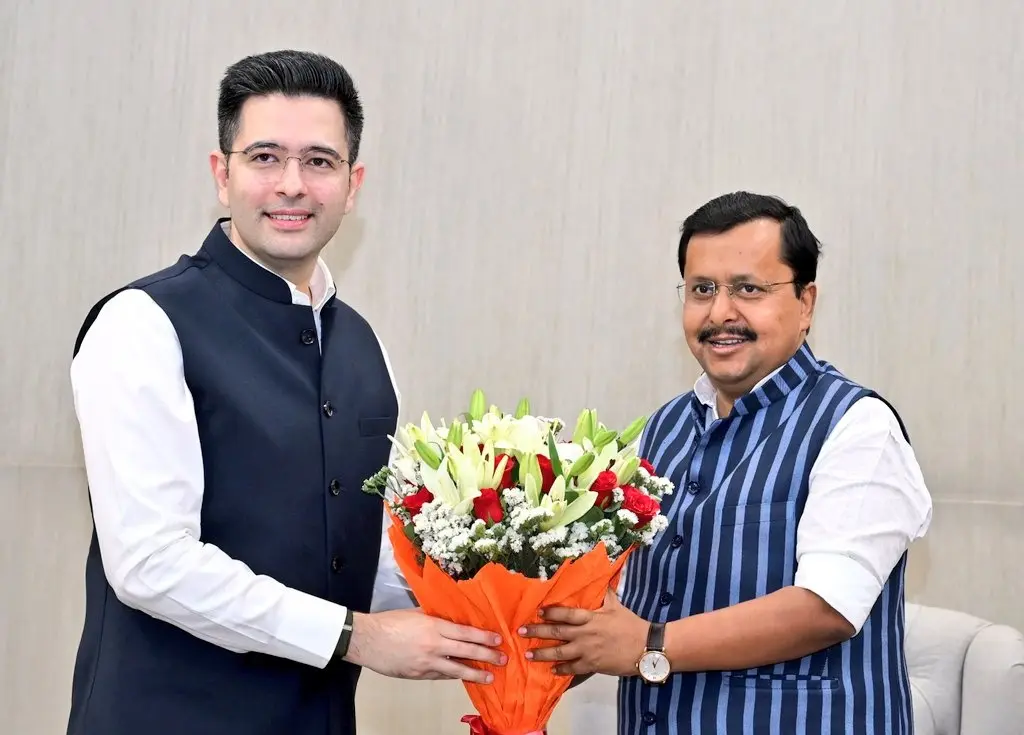
A major political development has unfolded in India’s Rajya Sabha, where seven Members of Parliament (MPs) formerly associated with the Aam Aadmi Party (AAP) have now been officially recognized as Bharatiya Janata Party (BJP) members. The decision was taken by the Rajya Sabha Chairman, rejecting AAP’s plea to disqualify the MPs under the anti-defection law.
The controversy began when AAP alleged that the seven MPs had defected and should be disqualified under the Tenth Schedule of the Constitution. Senior AAP leader Sanjay Singh stated that the party had formally written to the Chairman requesting action. However, the Chairman accepted the merger instead of initiating disqualification proceedings.
As a result of this move, the BJP’s strength in the Rajya Sabha has increased from 106 to 113 members. Meanwhile, AAP’s representation has sharply declined from 10 MPs to just three. This shift significantly alters the balance of power in the upper house.
AAP leaders argue that constitutional experts, including senior legal figures, had advised that the MPs should be disqualified. They claim that their objections have not yet been properly heard and expect further consideration.
On the other hand, the BJP has welcomed the development. Union Minister Kiren Rijiju stated that the merger has been accepted and welcomed the MPs into the National Democratic Alliance (NDA).
The matter may not conclude at this stage, as AAP has indicated it could move the Supreme Court. Comparable disputes over party splits—like those involving Shiv Sena and the NCP—have earlier been taken to the apex court.
Legal experts suggest that the interpretation of the anti-defection law will be crucial in determining the outcome if the matter proceeds judicially. The case raises broader questions about party discipline, constitutional provisions, and parliamentary procedures.
As political tensions rise, all eyes are now on whether the judiciary will intervene and how it will interpret the constitutional framework governing defections and mergers.

Raftaar e Deccan Newsdesk is the central editorial desk of Raftaar e Deccan, responsible for compiling, editing, and publishing breaking news, official statements, and verified inputs from reporters and agencies.