









28 March, Posted on 8:00 PM IST
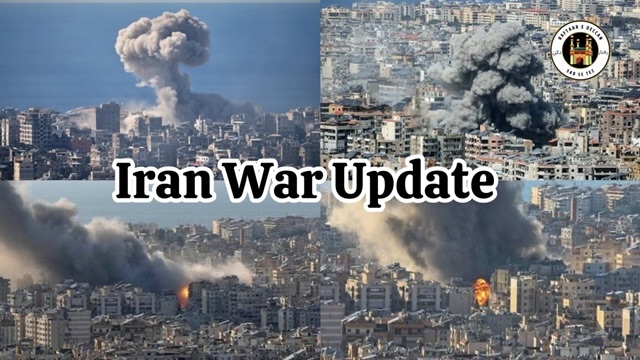
The ongoing tensions involving Iran, the United States, Israel, and Gulf nations have entered a complex phase. Recent developments suggest shifting dynamics in the region, with Iran demonstrating both endurance and strategic capability despite sustained pressure.
For decades, Iran has faced extensive international sanctions, yet it has managed to maintain its political and military structure. Analysts highlight that this resilience is now being reflected in the current conflict environment, where expectations of a quick collapse have not materialized.
Reports indicate that early assumptions by US officials—that Iran would concede within weeks—have proven inaccurate. Instead, Iran continues to respond to attacks while maintaining internal stability. Even after suffering losses, including damage to infrastructure and casualties, its governance structure remains intact.
A significant factor in the current situation is Iran’s influence over the Strait of Hormuz, a crucial route through which nearly 20 percent of global oil and gas supplies pass. Any disruption in this region directly impacts global markets, adding pressure on international stakeholders.
Meanwhile, Gulf countries, despite their economic strength and access to advanced weaponry, appear increasingly concerned. There are indications of behind-the-scenes diplomatic communication aimed at limiting escalation. Their vulnerability lies not only in defense but also in economic stability, as prolonged conflict threatens investment and revenue.
Israel, too, is facing challenges. Recent attacks have raised concerns within its military and civilian population, highlighting that Iran remains a formidable opponent. The situation has shifted from initial aggressive posturing to more cautious strategic considerations.
Within the United States, domestic pressure is also mounting. Rising costs of war, fluctuations in oil prices, and public opinion—especially among younger voters—are influencing political calculations. The leadership now faces a difficult choice between escalation and negotiation.
However, trust remains a major barrier to diplomacy. Past experiences have created skepticism in Iran regarding negotiations, particularly if they are perceived as strategic delays before further action.
In conclusion, the current scenario reflects a balance of pressure and resistance. While no clear resolution is in sight, Iran’s ability to sustain itself under pressure has become a defining feature of this conflict. The broader region remains uncertain, and the path forward will depend heavily on diplomatic decisions in the coming weeks.

Mohammed Naseer Giyas is a multi-media and bilingual journalist with over 20 years of experience across print, digital, and television media. Founder of Raftaar-e-Deccan, he is an alumnus of IVLP, Thomson Reuters Foundation, and ICFJ, and has worked with leading English and Urdu news organisations.