



Sought Answers on DPR Timeline, Environmental Impact and Displacement of Poor
Hyderabad: January 2, Posted on 4:36 PM IST
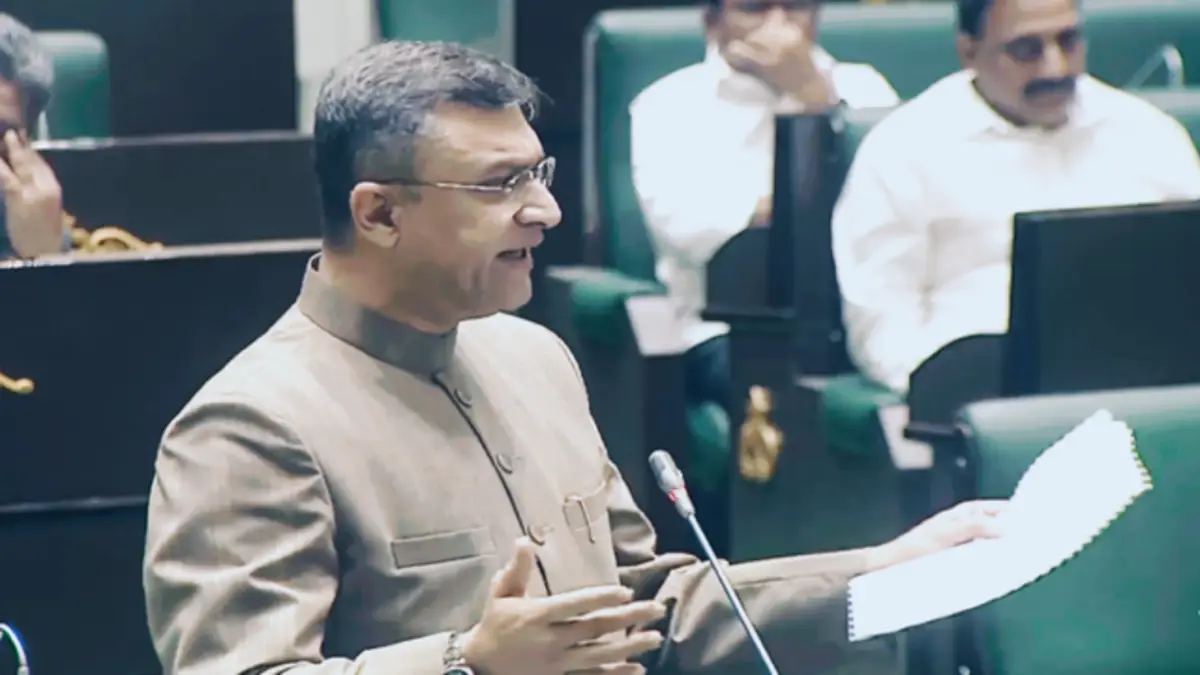
AIMIM floor leader Akbaruddin Owaisi on Friday raised pointed questions on proposed Musi River rejuvenation project in the Telangana Legislative Assembly, pressing the government for clear answers on the project’s design, timelines, environmental implications, land acquisition, and rehabilitation of affected residents.
Raising the issue during Question Hour, he questioned procedural lapses in the framing of official queries, disputed the inclusion of Mir Alam in Musi-related discussions, and called for greater accountability and transparency in the project’s planning and execution.
Referring to the government’s statement that a consortium would prepare a Detailed Project Report (DPR) within 18 months, the AIMIM leader asked when the timeline officially began. He noted that discussions around the Musi project have been ongoing for nearly two years and sought clarity on when the study was formally commissioned and when the deadline would end.
Owaisi also raised questions regarding the origin and total length of the Musi River. He asked whether the project would cover the river’s originating point at Ananthagiri Hills in Vikarabad district and whether studies would include the entire stretch of the river. He further sought clarity on the zoning of the project, particularly Zone-1, which is to be handled by MRDCL up to Osman Sagar and Himayat Sagar reservoirs.
Highlighting land-related concerns, Owaisi asked the government to disclose details of defence land, private land, and other properties that would be affected. He also questioned proposals to divert Godavari water to the reservoirs and sought details on flood management, especially in light of recent incidents where water release submerged parts of the Outer Ring Road.
The AIMIM leader pointed out that Musi has effectively turned into a sewage channel beyond Osman Sagar and Himayat Sagar. Citing studies by JNTU and international agencies, he urged the government to address sewage inflows and identify check dams obstructing natural water flow.
Raising concerns over displacement, Owaisi warned against evicting poor families without proper rehabilitation. He also called for protection of heritage structures such as Osmania Hospital, City College, and the State Library, stressing that heritage conservation should be part of the rejuvenation plan.
Concluding his remarks, Owaisi stated that while AIMIM supports development, it would oppose any project that leads to large-scale displacement of poor without compensation and rehabilitation. He urged the government to provide clear and specific answers to the questions raised in the House.
Mohammed Naseer Giyas is a multi-media and bilingual journalist with over 20 years of experience across print, digital, and television media. Founder of Raftaar-e-Deccan, he is an alumnus of IVLP, Thomson Reuters Foundation, and ICFJ, and has worked with leading English and Urdu news organisations.