




Posted at 19 February, 10:31 AM IST
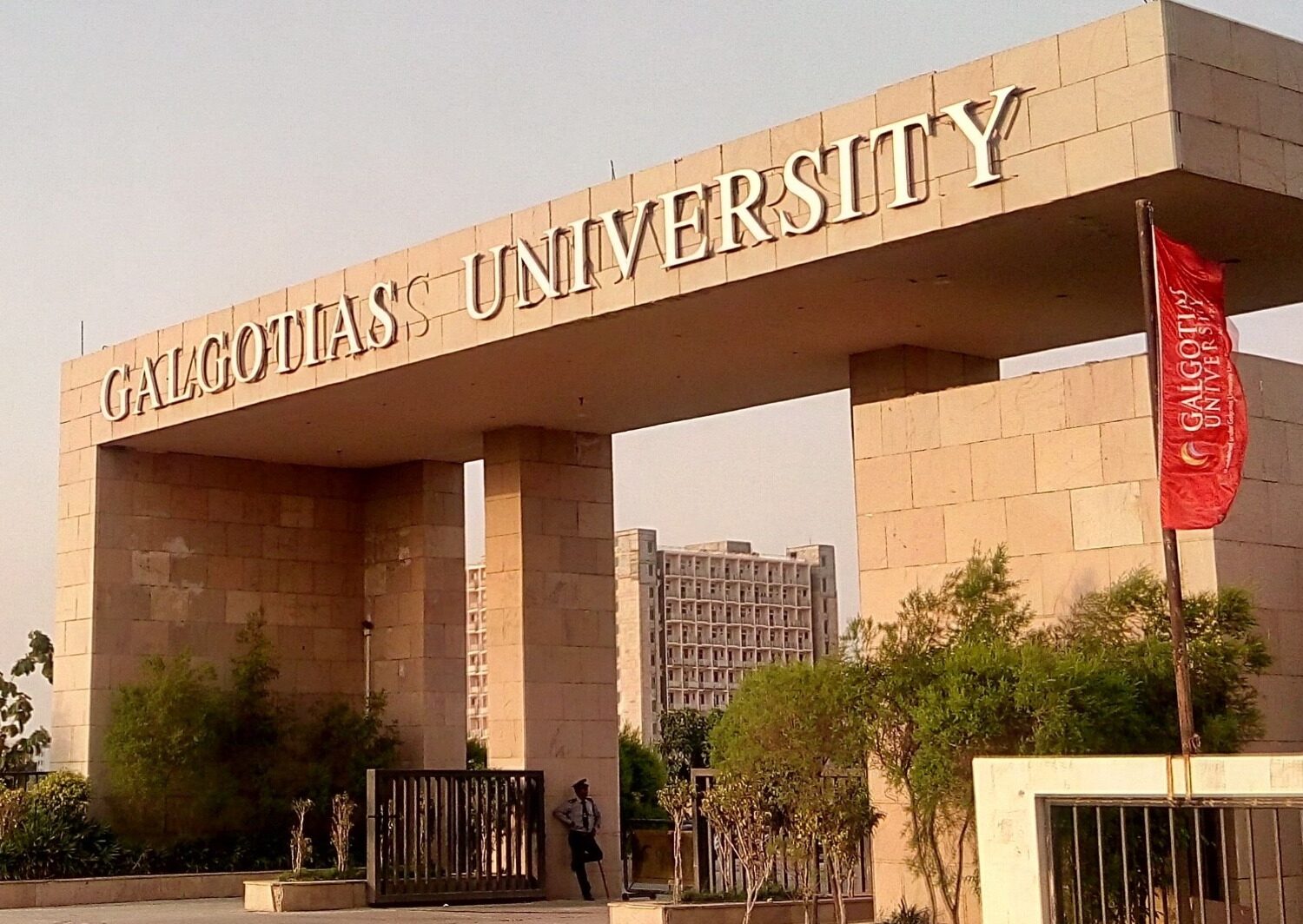
A controversy surrounding an AI robot of Galgotias University at AI Summit in New Delhi has sparked widespread debate across national and social media platforms. The issue has reportedly affected the institution’s reputation, raising concerns among more than 30,000 enrolled students. The development comes amid growing discussions about the credibility of private universities in India.
Within just two days, the university faced intense criticism and online backlash. Students currently studying at the institution have expressed anxiety over how this controversy might impact their academic future and employment prospects.
Several students, while speaking to Hindi news channels, reportedly stated that they are being mocked on social media due to the incident. The fear among many is that a degree from the university may lose value if the matter continues to attract negative attention.
Established in 2011, Galgotias University is considered one of the major private universities in North India. Over the years, it has introduced more than 200 academic programs and enrolled thousands of students from across the country. As of 2026, the total student enrollment is reported to be around 30,000.
Education observers note that controversies involving large private institutions can have a ripple effect on the broader higher education system. India has often faced criticism for lacking representation among the world’s top 100 universities, making reputational issues particularly sensitive.
The matter has also drawn attention due to the broader context of India’s push toward artificial intelligence and technological advancement. With national ambitions tied to innovation and global recognition, any incident that attracts international scrutiny could impact perception.
Experts suggest that authorities may need to take the issue seriously, given its potential implications for students’ futures and the country’s educational standing.
Mohammed Naseer Giyas is a multi-media and bilingual journalist with over 20 years of experience across print, digital, and television media. Founder of Raftaar-e-Deccan, he is an alumnus of IVLP, Thomson Reuters Foundation, and ICFJ, and has worked with leading English and Urdu news organisations.