




5 April Posted at 3:02 PM IST
As Assam heads toward upcoming assembly elections, the political climate in the state has intensified, particularly for its Muslim population, which constitutes nearly 35 percent of the electorate. The elections are being viewed not merely as a contest for power, but as a decisive moment for identity, representation, and future political direction.
In recent years, Assam’s political landscape has undergone significant transformation under the leadership of Chief Minister Himanta Biswa Sarma. The Bharatiya Janata Party (BJP) has increasingly framed its politics around themes such as “local versus outsider,” demographic balance, and concerns over illegal immigration.
Several administrative actions have added to the debate. Large-scale eviction and demolition drives have reportedly taken place in districts like Darrang, Nagaon, and Goalpara, affecting thousands of residents, many of whom belong to economically weaker sections.
Another major concern revolves around voter list revisions and the use of Form 7, through which names of voters have been challenged. Opposition parties allege that minority voters have been disproportionately affected, raising concerns about fair political representation.
The issue has been further complicated by the 2023 delimitation exercise, which redrew constituency boundaries. Some analysts argue that this may have altered the balance in certain constituencies, potentially impacting minority representation in the long term.
Legal and policy changes, including those affecting religious and educational institutions, have also contributed to an ongoing debate about governance versus cultural identity. The state government has defended these steps as reforms aimed at modernization, while critics view them as intrusive.
Additionally, longstanding issues such as the National Register of Citizens (NRC) and the Citizenship Amendment Act (CAA) continue to influence political discourse. The NRC process reportedly left around 1.9 million people in a state of legal uncertainty, though the demographic breakdown remains debated.
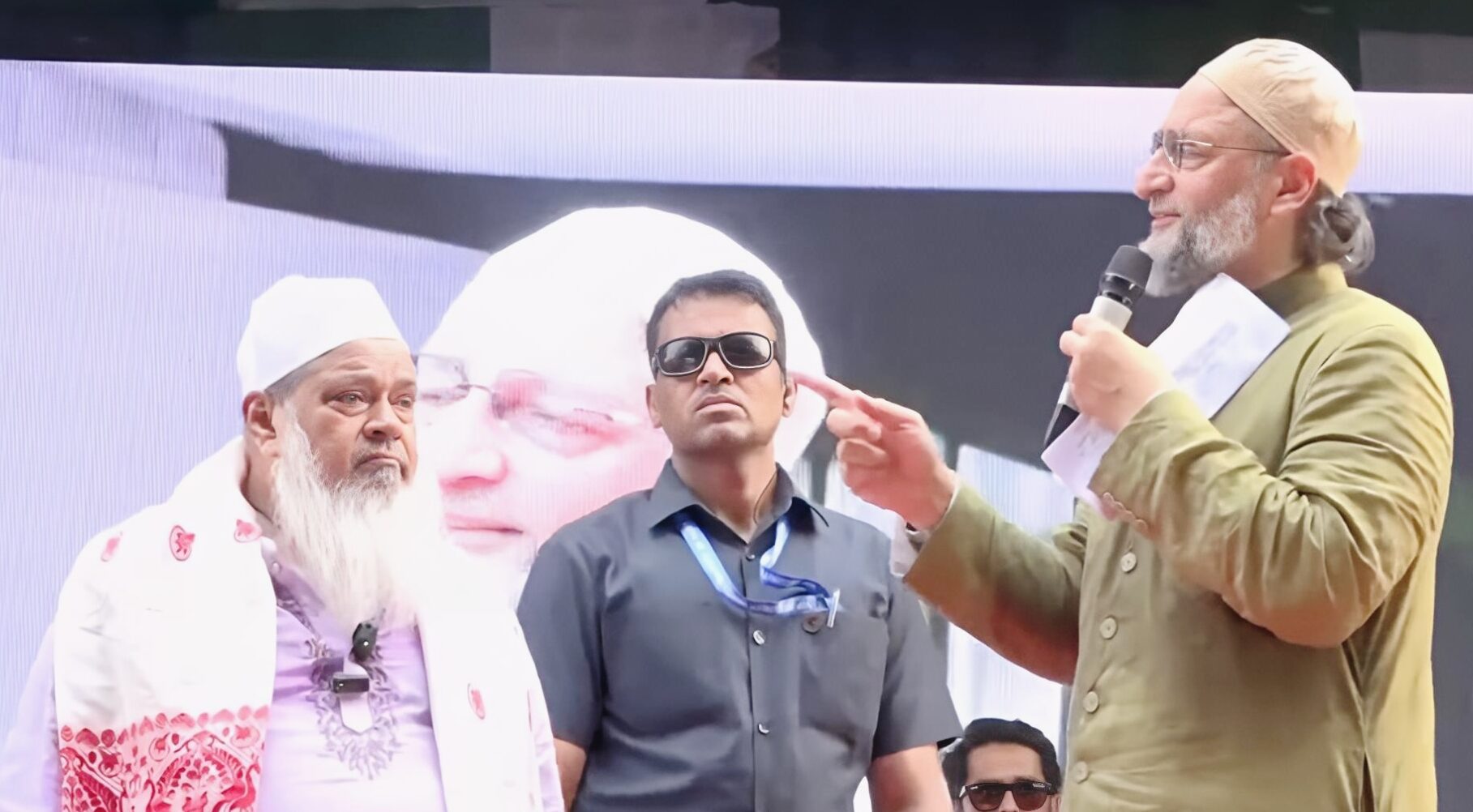
On the political front, the BJP appears organizationally strong, while the Congress party is grappling with internal challenges. Meanwhile, the All India United Democratic Front (AIUDF), led by Badruddin Ajmal, is positioning itself as a key player, particularly in constituencies with significant minority populations.
The central question remains whether minority voters will consolidate their political strength or see their votes divided among multiple parties. Analysts note that fragmented voting patterns often benefit more organized political forces.
As Assam approaches a crucial electoral moment, the outcome will likely shape not just governance but also the broader discourse on democracy, inclusion, and representation in the state.

Mohammed Naseer Giyas is a multi-media and bilingual journalist with over 20 years of experience across print, digital, and television media. Founder of Raftaar-e-Deccan, he is an alumnus of IVLP, Thomson Reuters Foundation, and ICFJ, and has worked with leading English and Urdu news organisations.