



Hyderabad: 14 January, Posted at 3:58 AM IST
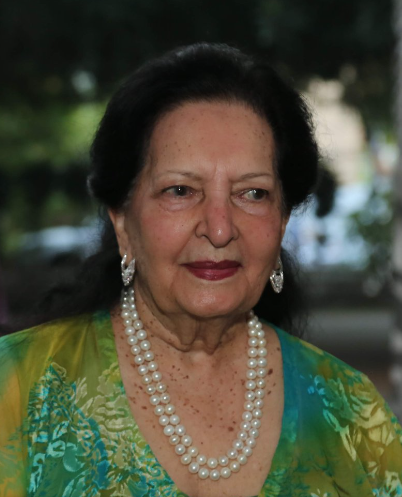
Renowned cultural figure, poet, writer and painter Indira Devi Dhanrajgir passed away on Tuesday evening at Gyan Bagh Palace in Hyderabad. She was 96. Her final rites will be performed at Amberpet on Wednesday morning.
Remembering her legacy, Anuradha Reddy, Convenor of INTACH Hyderabad, said that Indira Devi lived through history and documented it through lived experience. Her personal and family history, she noted, was inseparable from the cultural evolution of Hyderabad.
Born on August 17, 1930, Indira Devi—also known as Rajkumari Indira Devi—was the eldest daughter of Raja Dhanrajgirji Bahadur, a philanthropist associated with the court of Mir Osman Ali Khan, and Rani Premila Devi. Educated at home, she grew up surrounded by statesmen, poets and intellectuals, influences that later shaped her literary voice.
Inspired by poets such as Allama Iqbal, Ghalib and Sri Aurobindo, she began writing poetry early. Her literary career flourished in the 1960s with works like The Apostle (1964), Return Eternity (1965), and Yearnings and Other Poems (1966). During this time, Gyan Bagh Palace became an important literary hub in Hyderabad.
Her later work, Partings in Mimosa, earned critical acclaim for its refined free verse. After marrying poet Gunturu Seshendra Sarma in 1970, she stepped away from poetry, famously remarking that there could not be two poets in one family.
Indira Devi later served as Chairperson of the Hindi Academy of Andhra Pradesh and remained deeply engaged with art, photography and cultural documentation. Her final major work, Memories of the Deccan (2008), stands as a valuable chronicle of Hyderabad’s aristocratic and cultural past.
With her passing, Hyderabad has lost one of its last living links to the Nizam-era cultural world.
Raftaar e Deccan Newsdesk is the central editorial desk of Raftaar e Deccan, responsible for compiling, editing, and publishing breaking news, official statements, and verified inputs from reporters and agencies.