







Mohammed Naseer Giyas
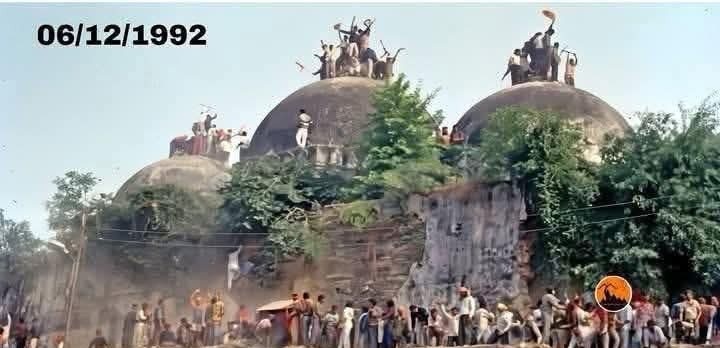
India observes 6 December as the anniversary of the 1992 demolition of the Babri Masjid in Ayodhya. The mosque was brought down by a large gathering despite written assurances given to the Supreme Court that the structure would remain protected. The incident reshaped modern Indian politics and continues to influence public debate.
In its 2019 Ayodhya judgment, the Supreme Court noted that idols were placed inside the Babri Masjid in December 1949 without legal authority. The court described the 1992 demolition as a serious violation of the rule of law and said the act carried constitutional implications.
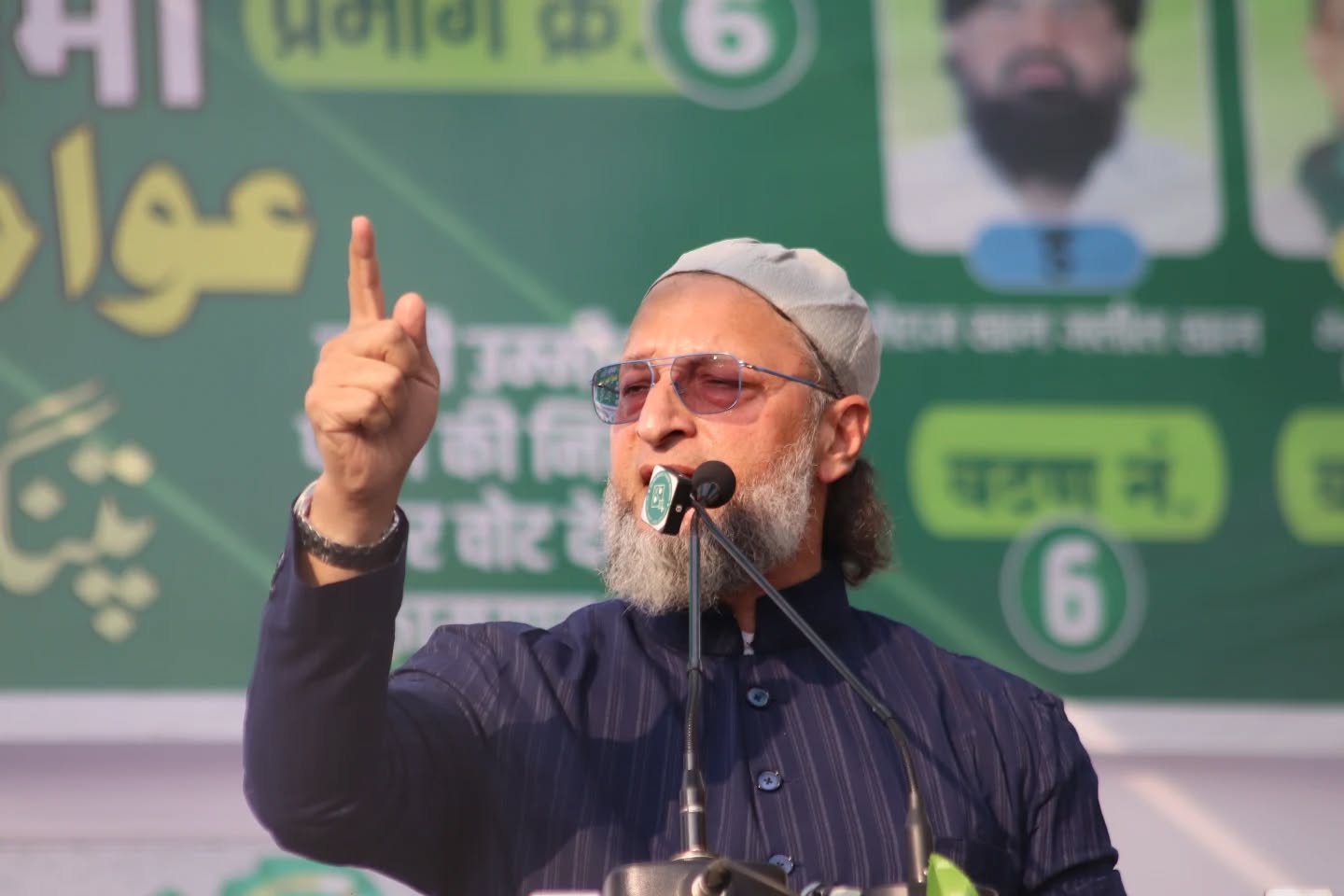
A criminal court later acquitted all the accused individuals in the demolition case. The court stated that there was no conclusive evidence to establish a conspiracy. The Union government did not appeal the acquittal. AIMIM president and Hyderabad MP Asaduddin Owaisi has questioned why the Centre did not challenge the judgment and asked who is responsible for the demolition if everyone has been acquitted. He says the lack of appeal raises concerns about accountability and the protection of constitutional rights.
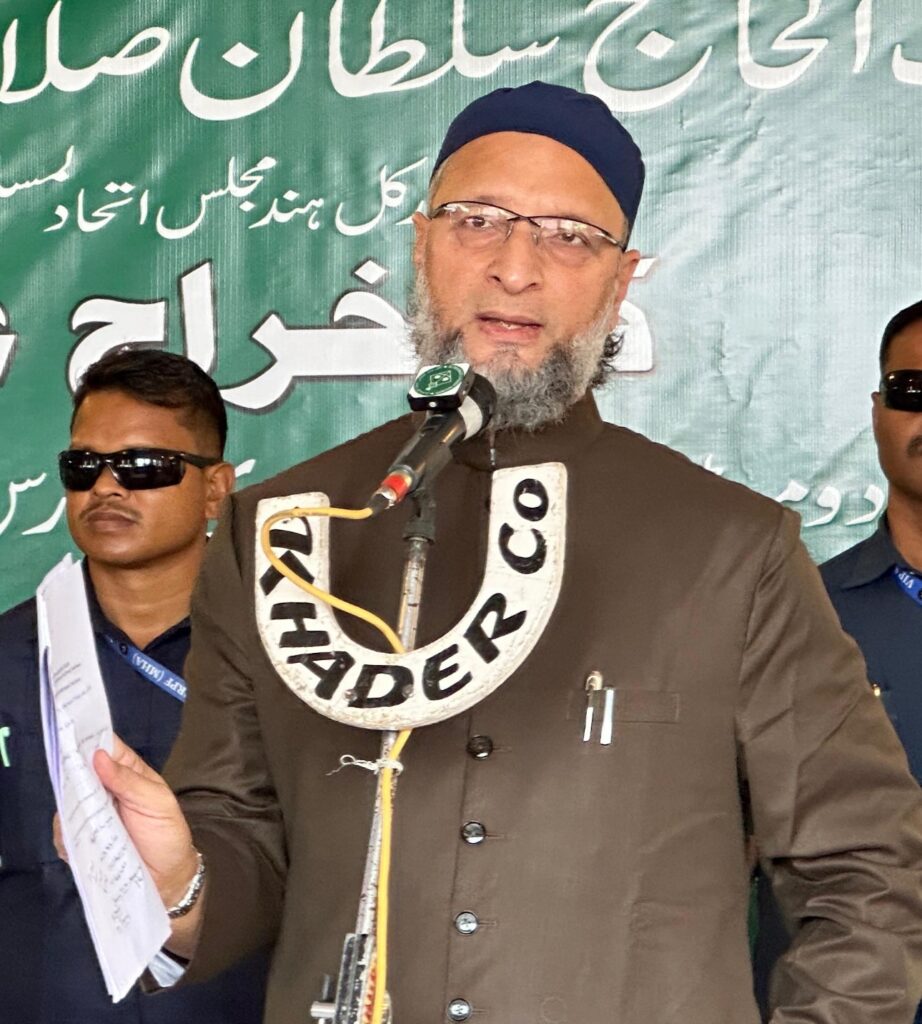
AIMIM president Asaduddin Owaisi said the Babri Masjid was demolished on 6 December 1992 in full public view and in the presence of security forces. He recalled that the Supreme Court had described the demolition as a violation of the rule of law.
Owaisi also referred to Prime Minister Narendra Modi’s recent remarks about healing “500-year-old wounds.” He said the Supreme Court has already recorded that no temple was demolished to construct the Babri Masjid. He asked on what grounds the Prime Minister made such claims.
According to Owaisi, the real injury was not limited to the destruction of a mosque. He said the events of 6 December weakened the Indian Constitution and the principles it stands for. He described 6 December as a black day in the history of the country.
Noted Journalist Rana Ayyub wrote on X “6th December. A day of criminal injustice. A day whose legacy continues to bleed this country”
Different communities mark 6 December in different ways. Some treat it as a day of protest. Others observe it as a day of political reflection or historical remembrance. The discussions around the demolition continue to shape debate on law, justice, communal harmony, and the role of state institutions in safeguarding religious structures.
posted on 6 December 7:15PM
Mohammed Naseer Giyas is a multi-media and bilingual journalist with over 20 years of experience across print, digital, and television media. Founder of Raftaar-e-Deccan, he is an alumnus of IVLP, Thomson Reuters Foundation, and ICFJ, and has worked with leading English and Urdu news organisations.